
Switchboard & Power System SERVICES
Safe, compliant switchboard upgrades and electrical power system solutions for residential, commercial and industrial properties across Melbourne.

SWITCHBOARD & POWER SYSTEM SERVICES
✓ Generator Changeover Switch Installations
✓ Electrical Compliance Upgrades
✓ Safety Switch (RCD) Upgrades
✓ Power Distribution System Upgrades
✓ Switchboard Replacements & Modernisation
✓ Surge Protection Installation
✓ Electrical Capacity Upgrades for Renovations
SWITCHBOARD UPGRADES & ELECTRICAL POWER SYSTEMS
The condition and capacity of your switchboard play a critical role in the safety and performance of your electrical system.
HLH Electrical Solutions provides structured switchboard upgrade and power distribution services across Melbourne. We assess existing electrical infrastructure and deliver compliant solutions designed to improve safety, system reliability and capacity for modern electrical demand.
All work is completed in accordance with current Australian Standards.
system capacity & upgrade approach
HLH Electrical Solutions assesses electrical systems based on safety, load capacity and compliance requirements.
Many older switchboards are not designed to support modern electrical usage, particularly in renovated or upgraded properties. We provide solutions that improve system stability, reduce electrical risk and ensure compliance with current Australian Standards.
COMmercial, residential & industrial applicationS
We deliver switchboard and power system upgrades across:
Residential homes and apartments
Rental and investment properties
Commercial premises and retail spaces
Industrial facilities and workshops
Each installation is tailored to the electrical demands and operational requirements of the property.
why switchboard upgrades matter
An outdated or undersized switchboard can restrict electrical performance and increase safety risks.
Upgrading the system improves electrical capacity, reduces fault risk and ensures compliance with current safety standards. This is particularly important for properties undergoing renovation or increased electrical demand.
HLH Electrical Solutions delivers switchboard upgrades designed for long-term system reliability and safe electrical operation.
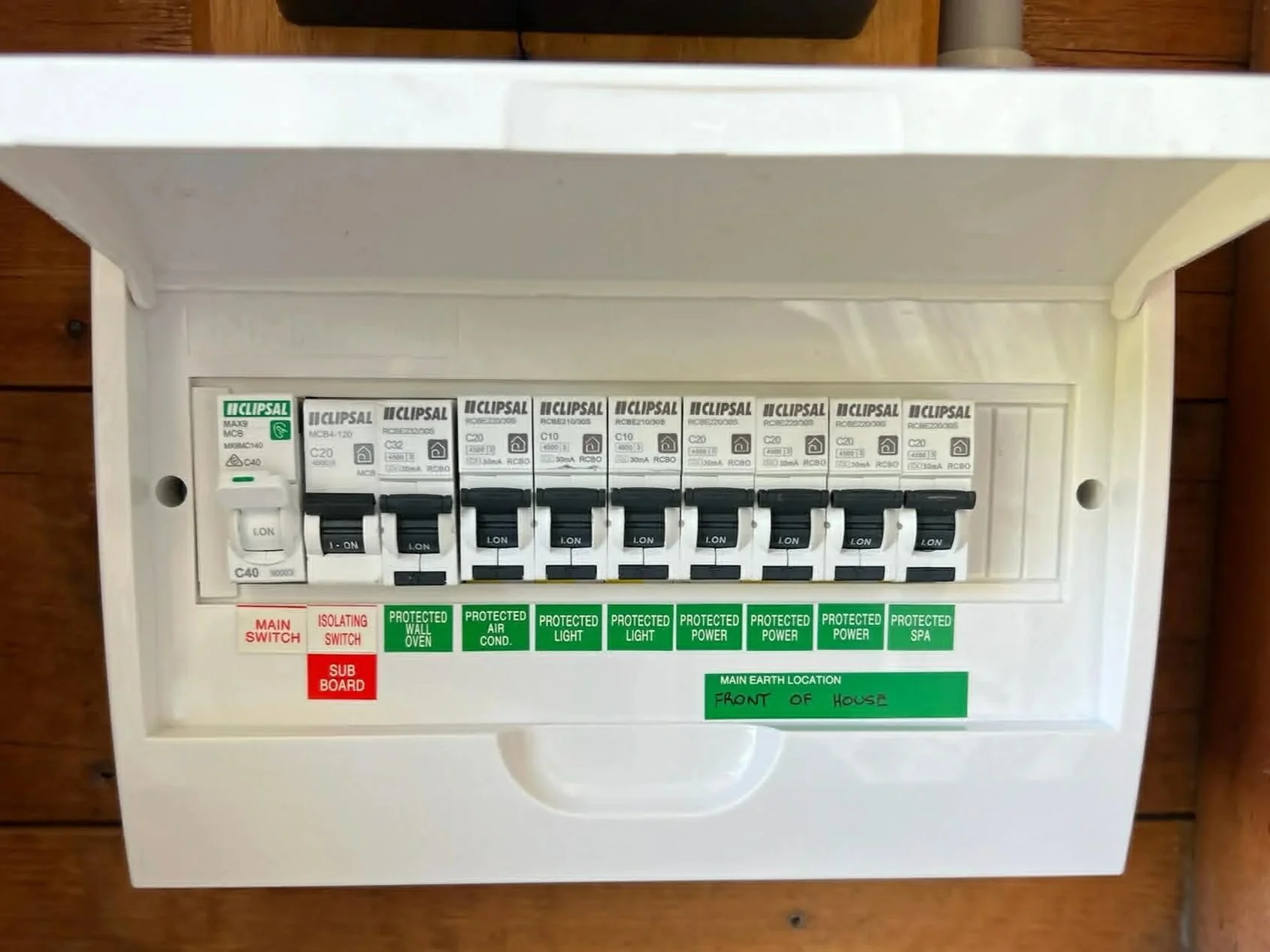
common switchboard issues
Common indicators that a switchboard may require inspection or upgrade include:
Frequent tripping circuits or safety switches
Ceramic fuses or outdated fuse systems
Burning smells or heat from the switchboard
Flickering or unstable power supply
Buzzing noises from electrical panels
Lack of safety switches (RCD protection)
These conditions may indicate underlying system limitations that require professional assessment.

Electrical Switchboard FAQs
-
A switchboard should be replaced when it no longer meets current safety standards or is unable to support modern electrical demand.
Common indicators include ceramic fuses, lack of safety switches, frequent tripping circuits or visible signs of overheating. Upgrading improves safety, compliance and system reliability.
-
Common signs include flickering lights, tripping circuits, burning smells, buzzing sounds, warm switchboard components or the presence of ceramic fuses.
These symptoms often indicate that the system is outdated or operating beyond its intended capacity.
-
In many cases, yes. Renovations typically increase electrical demand through additional circuits, lighting and appliances.
A switchboard upgrade ensures the electrical system can safely support these changes while maintaining compliance with Australian Standards.
-
Most residential switchboard replacements are completed within a single day, depending on system complexity and existing conditions.
HLH Electrical Solutions completes installations efficiently while maintaining safety and compliance standards.
-
A backup generator may be suitable for properties that require continuous power supply or cannot afford downtime during outages.
Generator systems can support essential circuits and improve operational continuity for both residential and commercial properties.
-
Repeated tripping is usually caused by electrical faults such as overloaded circuits, faulty appliances, wiring issues or switchboard component failures.
A licensed electrician should investigate the system to identify and resolve the underlying cause safely.